Archives: Activities

  • Repair Cafe

    Repair Cafe

    You broke it, we fix it! (and teach you how)

    Repairs are free, donations are welcome!!!

    Events are once a month on Sundays, from 1:00-4:00PM

  • Intermediate artisanal soap making

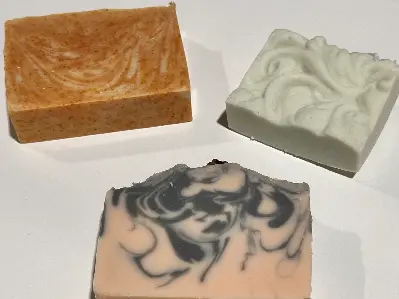
    Intermediate artisanal soap making

    Prerequisite: participation in the Introductory soap making workshop

    This 2-hour workshop aims to provide you with additional techniques and learn new skills and soap making concepts and a handout with information and new recipes (and, of course, SOAP!).

    This workshop is recommended for people aged 16 and over, because of the handling of sodium hydroxide (lye).

    In this workshop, we will focus on 3 different intermediate techniques. You will learn new concepts such as calculating the volume to make the correct amount of soap, techniques for making sea salt bars, and how temperatures may affect the soap making. Working with the other students, you will each make different soaps that will be shared so that everyone will have a few bars of each kind made.

    You'll leave with a document containing the steps to follow and the recipes used during the workshop, as well as the intermediate topics discussed during the workshop.

    For the soap-making workshop, you'll need to wear a long-sleeved shirt, and we'll provide goggles, gloves and everything else!

    Ages 16 and up

    Bilingual class
  • Soap making

    Soap making

    Workshop: Introduction to cold process artisanal soap making

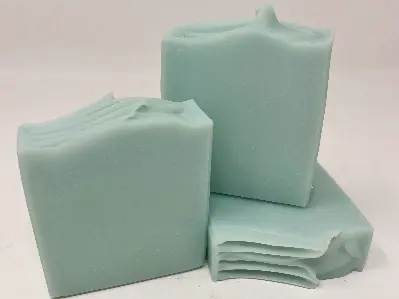
    This 2-hour workshop aims to teach you how to make artisanal soap by cold saponification, using rigorous information in a fun and accessible context. This workshop is recommended for people aged 16 and over, because of the handling of sodium hydroxide (lye).

    In this workshop, you'll learn how to make artisanal soaps, understand the ingredients and components of soaps, and master the safety concepts involved in handling sodium hydroxide. You'll be able to choose the colour and scent of your soaps to personalize to your taste and make 10 x 120g soaps (a retail value of $90). 

    You'll leave with a document containing the steps to follow and the recipe used during the workshop, as well as some resources for formulation calculators and resources for buying the materials needed to make soap.

    For the soap-making workshop, you'll need to wear a long-sleeved shirt, and we'll provide goggles, gloves and everything else!

    Bilingual class

    Ages 16 and up

  • Introduction to soldering electronics

    Introduction to soldering electronics

    Learn to join wires and electronic components with solder and a soldering iron.

    This workshop focuses on hands-on time with many of the situations required by electronic projects including wiring, connectors, printed circuits boards, breadboards, components, microcontrollers, modules, LED's and more.
    You will gain familiarity with precision soldering irons and the more powerful soldering guns and learn to choose which of them is appropriate

    We will have a review of common faults and how to avoid them. A presentation of safety and environmental considerations is included.

    Students will take home a microcontroller board (ESP32C3) to continue their electronics journey!

    Prerequisites: You should have some basic knowledge of electricity to get the most from this workshop

    English Class

    Ages 15 and up

  • Make a laser cut box

    Make a laser cut box

    Make a custom wooden box using the online box generator Boxes.py.

    Boxes.py is a great tool for creating many types of boxes. In this class you will learn: 

    • The types of boxes you can create
    • What the different parameters mean
    • How to create a box that fits in a specific space, or has a certain inside measurement
    • How to create the cut file
    • How to send instructions to the laser
    • How to assemble the box

    Ages 14 and up

    All materials provided

    Bilingual class

  • Introduction to Tinkercad

    Introduction to Tinkercad

    Learn to use TinkerCAD, a free online drawing platform, to create models for the 3D printer.

    Learn how to easily create 3D models of simple items and print them on a 3D printer. Concepts covered in this class:

    • Adding shapes to the build plate
    • Moving, rotating and resizing
    • Combining shapes and making holes
    • Downloading and printing your model

    Participants can collect their model at a later date

    Ages 12 and up

    English class

  • Working with patterns

    Working with patterns

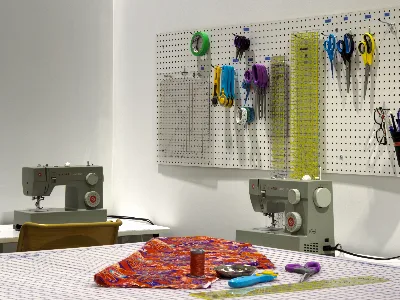
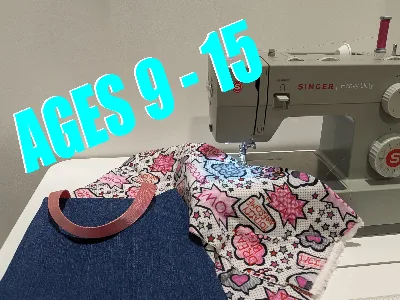
    Learn how to sew from a pattern in this 5-week, level 2 sewing class.

    This class is for anyone who has looked at a sewing pattern and doesn’t know where to start. We will explain how to complete each step of your chosen pattern, and why those steps are important.

    We have a selection of patterns available, however, students are welcome to bring their own patterns. If this is your first time using a pattern, please select something that is labeled very easy or easy. Students with more experience who want to learn more advanced techniques are welcome to choose a more challenging pattern.

    Class 1: Reading the pattern envelope, tracing pattern and understanding all the marks, grading (adjusting) pattern for better fit and discussion of appropriate fabric for chosen project

    Class 2: Laying out pattern pieces for cutting, transferring marks to fabric, start sewing

    Classes 3-5: Work on your chosen project.

    You may need to do some work between classes in order to complete your project in the time allowed!

    Fabric is not included. Please discuss fabric selection with the instructor during the first class.

    Ages 14 and up

    Bilingual class

  • intro to knitting

    intro to knitting

    This class is for new knitters.

    Introduction to knitting: Learn the basics of knitting in this set of three classes

    1. Introduction class: You’ll be introduced to the tools and materials you need to start knitting. Then you’ll learn a simple cast-on technique, and how to make a knit stitch.

    2. Next steps: You’ll learn how to read a basic knitting pattern, and practice the skills learned in the first class.

    3. The other side: purl stitch. In the third class, you’ll learn how to make a purl stitch, how to use knit and purl stitches together, and then how to bind off your work when you’re done. 

    To benefit from this class, we highly recommend practicing between sessions.

    Projects in this class are a swatch, and a mug cozy or kerchief

    Ages 12 and up

  • Beginner knitting 2

    Beginner knitting 2


    Beginner Knitting – session 2

    Prerequisite – cast-on, knit and purl
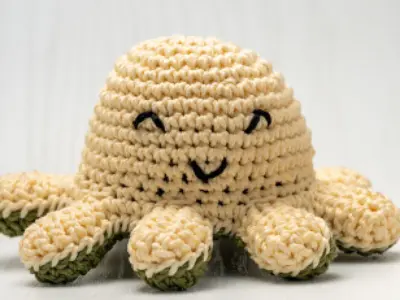
    This class will give you more useful skills to expand your knitting horizons. The first 2 classes cover some common increase and decrease stitches, which are then practiced on small projects: a washcloth and a kitty bag fob. The third class will cover simple methods for changing yarns, and how changing yarn colours looks in different stitch patterns. Then all the skills from the session are combined to make some striped coasters.

    Classs 1. Back to the start: pairing increases and decreases
    Increase: yarn over increase (yo); how to work it, what it looks like
    Decrease: knit-two-together (k2tog); how to work it, what it looks like

    Why you usually pair increase and decrease stitches within a row  
    Class project: garter-stitch dishcloth

    Class 2. The more you know: other useful increases and decreases
    Increase: knit in front and back (kfb); how to work it, what it looks like
    Decrease: slip-slip-knit (ssk); how to work it, what it looks like

    Why you need to know both ssk and k2tog
    Class project: kitty bag fob

    Class 3. Changing lanes: how to change yarns
    Simple techniques for changing yarns, to add a new ball, or change colours
    Practice changing colours in different stitch patterns
    Practice changing to a different yarn weight or texture

    Class project: striped coasters

    Ages 12 and up

  • Bracers

    Bracers

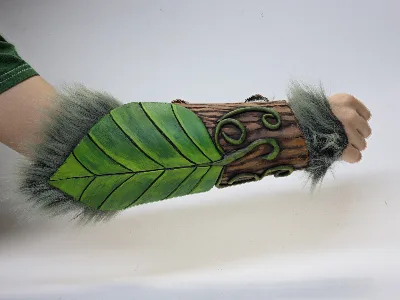
    Learn how to work with EVA foam by making a bracer.

    Bracers are part of so many costumes from medieval archers to futuristic superheroes.

    Sophie will show you how to make a pattern based on your arm, then how to cut, shape with heat, glue and paint EVA foam. Once you master these skills, you can take your cosplay and prop making skills to the next level!